
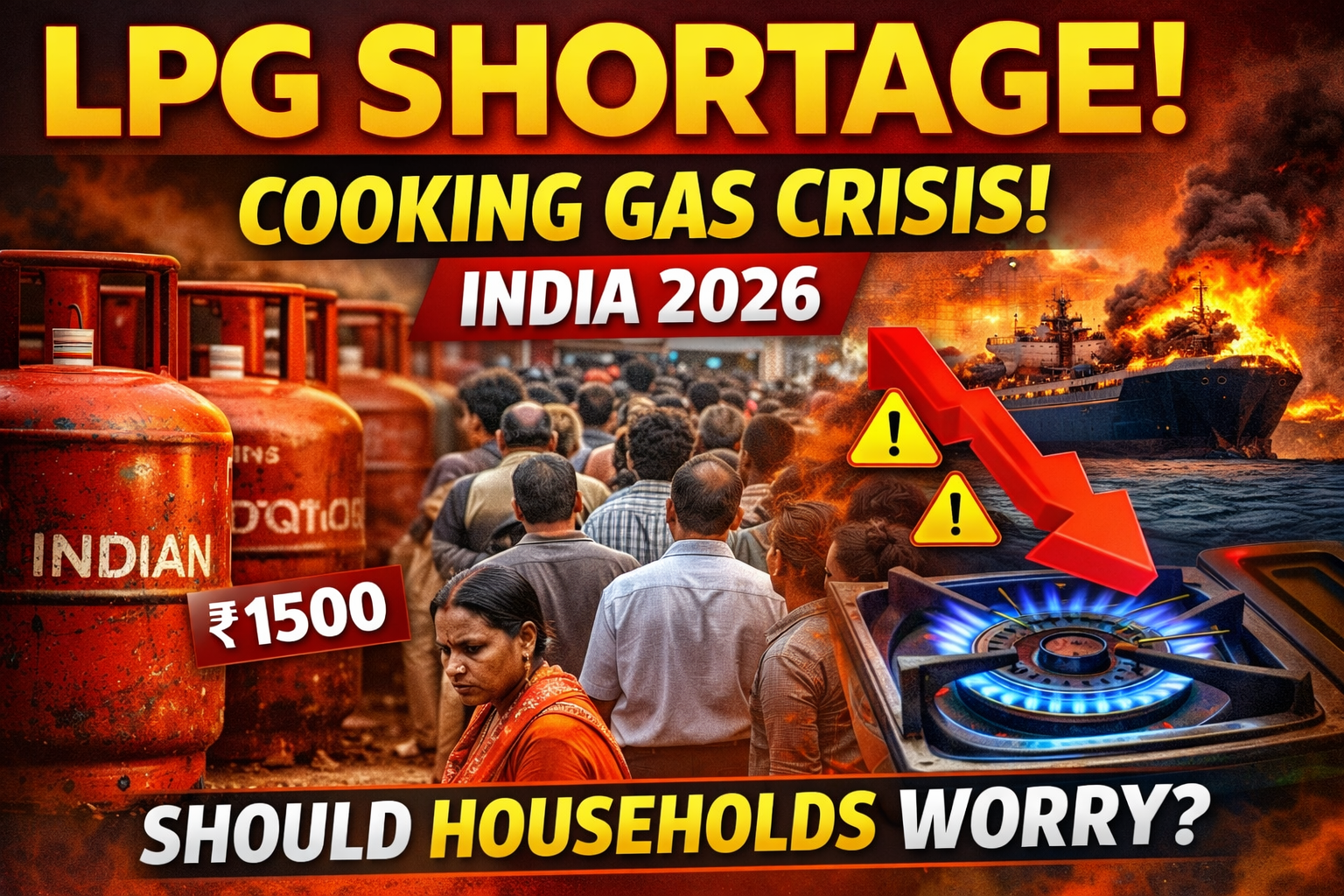
LPG Shortage 2026: Why India Is Facing a Cooking Gas Crisis and What It Means for Households
A sudden LPG shortage across India has triggered panic among restaurants, small businesses, and households. From Mumbai and Bengaluru to Chennai and Delhi, reports of disrupted LPG cylinder supply are spreading rapidly, making “LPG crisis” one of the most searched topics in India today.
The shortage is being linked to geopolitical tensions in West Asia, supply chain disruptions, and rising global energy prices, which are affecting the availability of liquefied petroleum gas (LPG) used for cooking and industrial purposes.
Here’s a detailed look at what caused the LPG shortage, which sectors are affected, and whether Indian households should worry.
Why Is There an LPG Shortage in India?
The biggest trigger behind the LPG shortage news in 2026 is the escalating conflict in West Asia involving Iran and its allies, which has disrupted shipping routes used to transport oil and gas.
One of the world’s most important energy corridors — the Strait of Hormuz — has been affected, causing delays in LPG shipments. (The Economic Times)
India depends heavily on imports for LPG. In fact:
- India is the world’s second-largest LPG importer
- Only about 41% of LPG demand is met by domestic production (mint)
When global supply chains are disrupted, India immediately feels the impact.
Restaurants and Hotels Hit the Hardest
The commercial LPG cylinder shortage is affecting restaurants, hotels, and food businesses across India.
Many establishments have reported:
- Delayed cylinder deliveries
- Reduced LPG supply
- Temporary shutdown of kitchens
Hotel associations in Bengaluru, Chennai, and Mumbai warned that restaurants may be forced to close if supplies are not restored quickly. (www.ndtv.com)
Some restaurants are already:
- Removing gas-intensive dishes like dosa and tandoor items
- Reducing operating hours
- Switching to electric appliances
Industry groups estimate that the restaurant sector could lose over ₹1,200–₹1,300 crore daily if the shortage continues. (mint)
Panic Buying and Black Market Activity
The LPG crisis has also triggered panic buying in several cities, with long queues forming outside gas agencies.
Reports suggest that LPG cylinders have been sold on the black market for as high as ₹1,500 in some areas due to supply fears. (India Today)
To prevent hoarding, authorities have tightened booking rules and increased monitoring of LPG distributors.
Government Response to the LPG Crisis
The Indian government has taken several emergency steps to stabilise the situation:
1. Prioritising Household LPG
Oil companies have been instructed to prioritise domestic LPG supply over commercial use to protect household cooking needs. (ABP Live)
2. Increasing LPG Production
Refineries across India have been ordered to increase LPG production and operate at full capacity. (Reuters)
3. Diversifying Oil Imports
Authorities are expanding oil sourcing from up to 40 countries to reduce dependence on West Asian supplies. (India Today)
These measures aim to prevent a long-term LPG supply crisis.
Impact on Households and Daily Life
For most households, the situation is still manageable, but the ripple effects could include:
- Higher LPG cylinder prices
- Delayed gas cylinder delivery
- Higher restaurant food prices
- Increased demand for electric cooking appliances
Interestingly, retailers are reporting a surge in sales of induction cooktops and electric stoves as people look for alternative cooking options. (mint)
Will the LPG Shortage Continue?
Experts believe the shortage may be temporary, depending on how quickly global supply chains recover.
Government sources say refineries are already producing 10% more LPG, and emergency supply measures have been activated. (www.ndtv.com)
If global shipping routes reopen and imports stabilize, the crisis could ease within a few weeks.
Final Thoughts
The LPG shortage in India in 2026 highlights how global geopolitics can directly impact everyday life—from cooking gas prices to restaurant operations.
While the government has stepped in to protect household supply, the situation shows how dependent modern economies are on global energy supply chains.
For now, experts advise consumers not to panic, as authorities are working to stabilise supply and prevent a prolonged cooking gas crisis.